

Moldova/Moldavia
Through a Wine Glass Lightly

Next stop: Chișinău, Moldova.
Please alight for:
underground wine cities
Orthodox monasteries,
painted churches
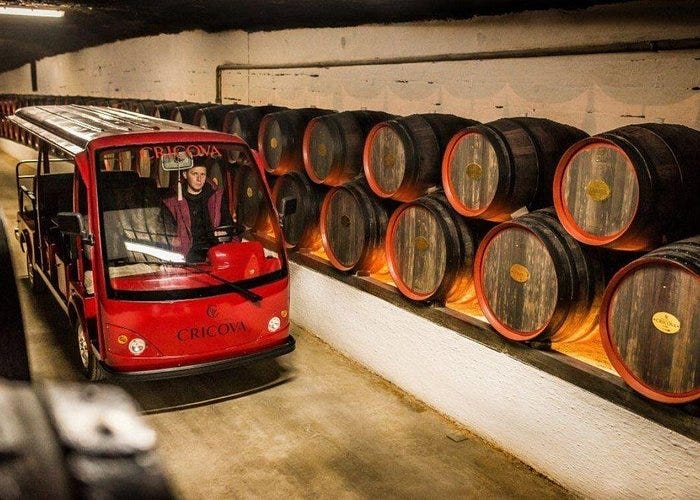
Car 4 is now a wine tasting cellar
Car 5 is reserved for Hora dancing
Maximum speed: 50 km/h.
Bine ați venit în Moldova – Welcome to Moldova
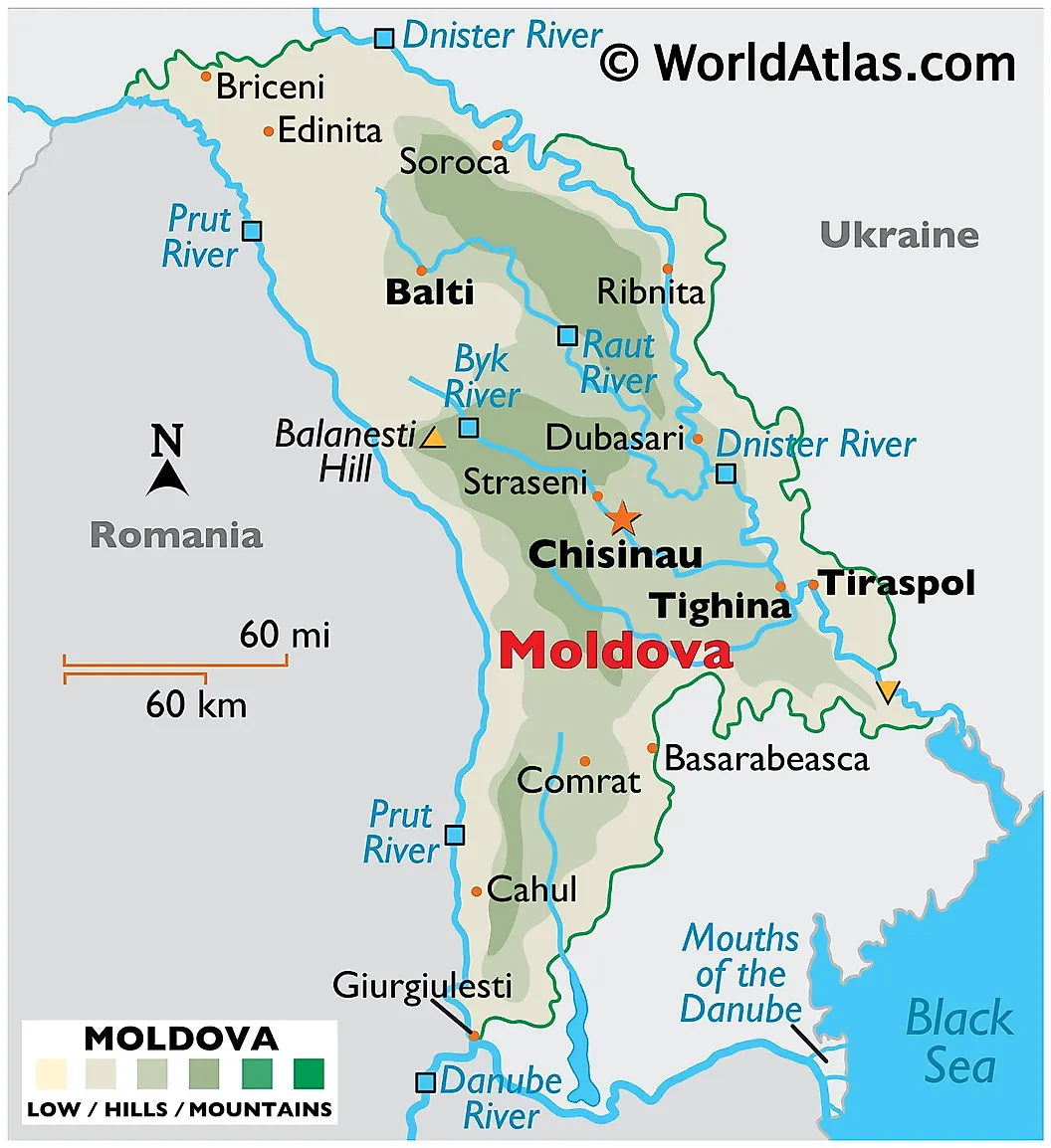
Moldova: A Name Between Worlds
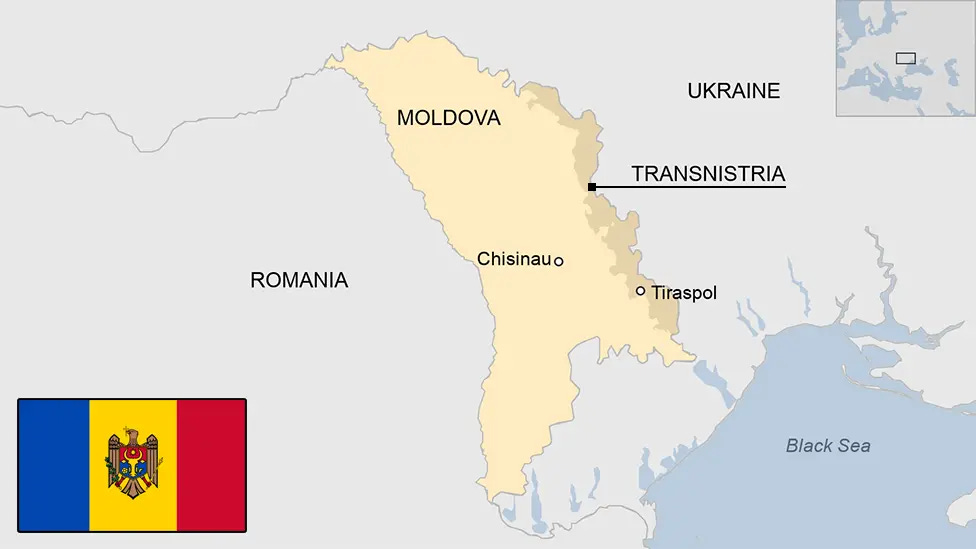
A landlocked slip of countryside between Romania and Ukraine, Moldova is a country of vineyards, sunflower hills and layers of history. Its name likely comes from the Moldova River – possibly from a Slavic root meaning ‘marshy’ or Romanian molid, ‘pine’. Local legends tell the tale of Molda, the favourite hunting dog of Prince Vlach, who drowned here and had a river named after him in the 14th century.
Moldova is a palimpsest — Roman Dacia, Slavic steppe, Ottoman tributary, Russian province, Soviet republic. Its cultural heartland, Bessarabia, was once a frontier zone between Latin and Cyrillic, Catholic and Orthodox, wine and vodka. Even its soil seems unsure of its allegiance — one foot in the Carpathians, the other in the Black Sea steppe.
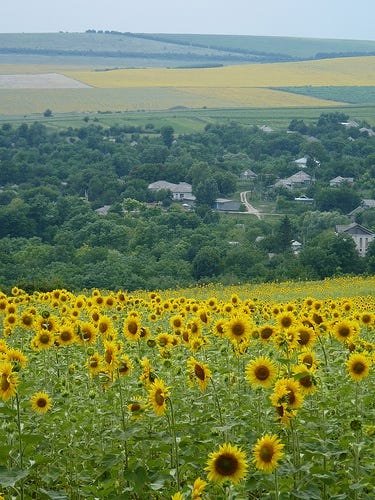
Often overlooked, the Moldovan countryside is lush landscape of rolling hills strewn with sunflowers in the summer.
Wine, wine, and more wine
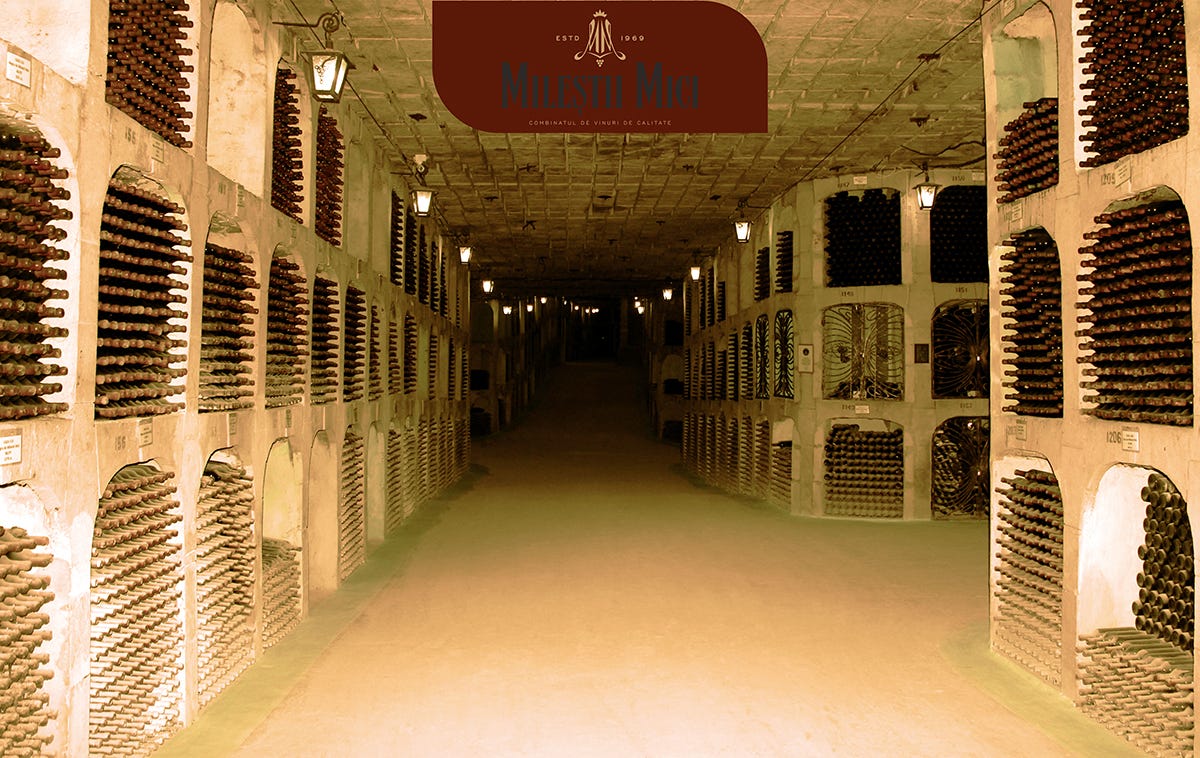
Moldova has more vineyard land per head than any other European country. Its cellars are extraordinary: Mileștii Mici, a Guinness record-holder, has 200 km of tunnels; Cricova is a subterranean city where heads of state store bottles. Wine here goes back 5,000 years. Under the USSR, Moldova was its vineyard; today, it courts the EU with Pinot Gris and Cabernet Franc. Cricova and Mileștii Mici aren’t just wine cellars — they’re subterranean labyrinths with streets, tasting rooms, and even bike or bus tours. Dignitaries from Putin to Merkel have bottles stored here.
Orthodox monasteries and painted churches
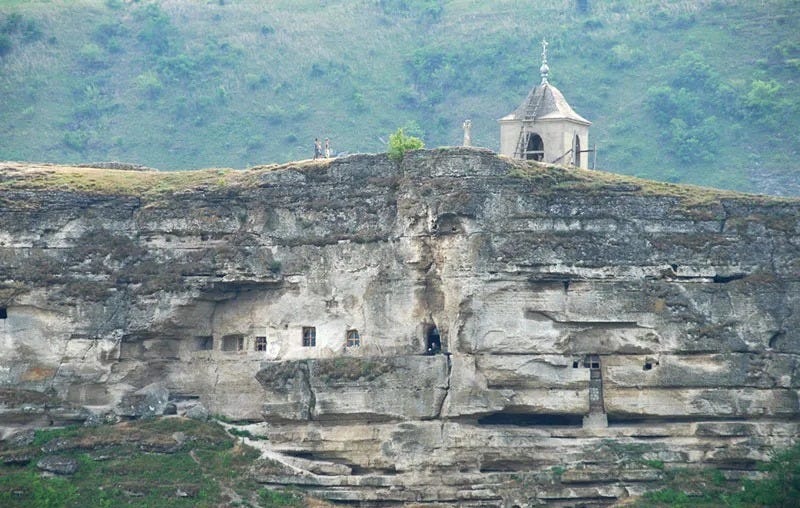
Moldova’s countryside is dotted with cliffside monasteries, cave chapels, and Byzantine-style frescoes, especially at places like Orheiul Vechi and Căpriana.
Orheiul Vechi is an ancient cave complex and archaeological site overlooking the Răut River. It’s Moldova’s most iconic historical landscape — part Dacian ruin, part medieval hermitage, part national shrine.
Folk traditions and music
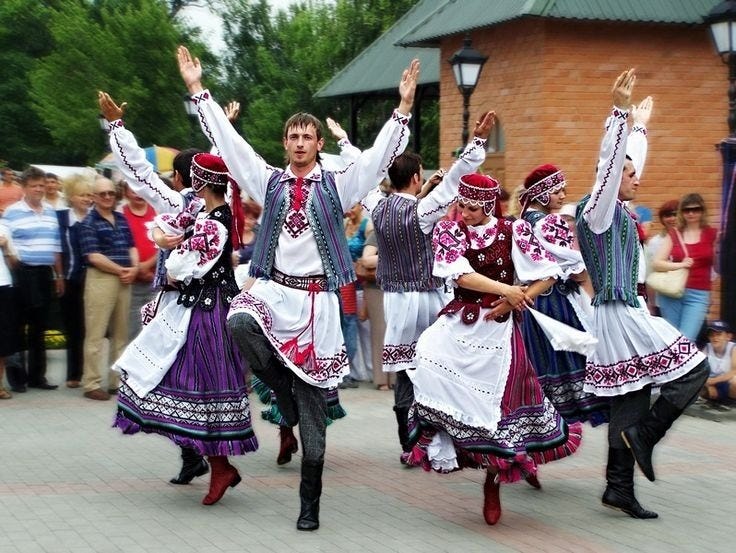
Moldovan culture blends Romanian roots with Slavic, Gagauz and Romani elements. Hora dancing, embroidered blouses and folk instruments like the nai (panpipe) remain part of festivals and weddings.
Transnistria
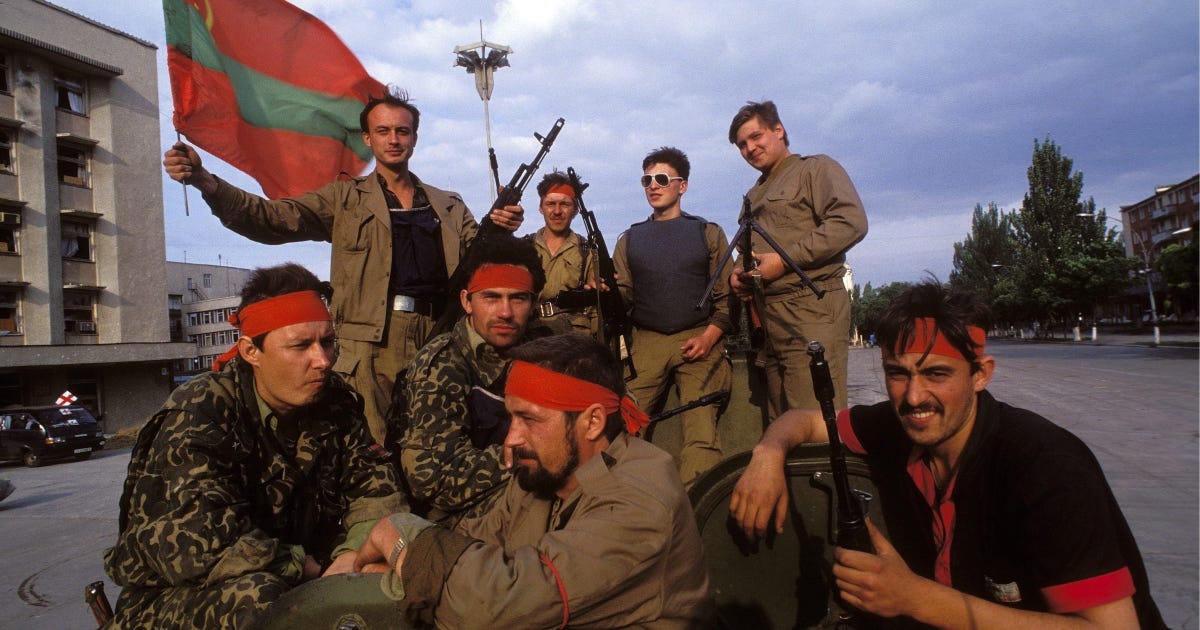
After the fall of the USSR, Moldova emerged blinking into independence in 1991, only to be immediately confronted by separatist conflict in the east. The breakaway region of Transnistria declared itself a Soviet-style microstate — complete with Lenin statues, hammer-and-sickle emblems, and its own currency. No UN country recognizes it, but it maintains borders and a frozen sense of time. Moldova, it seems, is a nation divided by history and haunted by nostalgia.
Gagauzia
An autonomous region home to the Gagauz, a Turkic Orthodox Christian people. Unique language, food, and culture — little-known even to most Moldovans.
Chișinău: Capital of contradictions
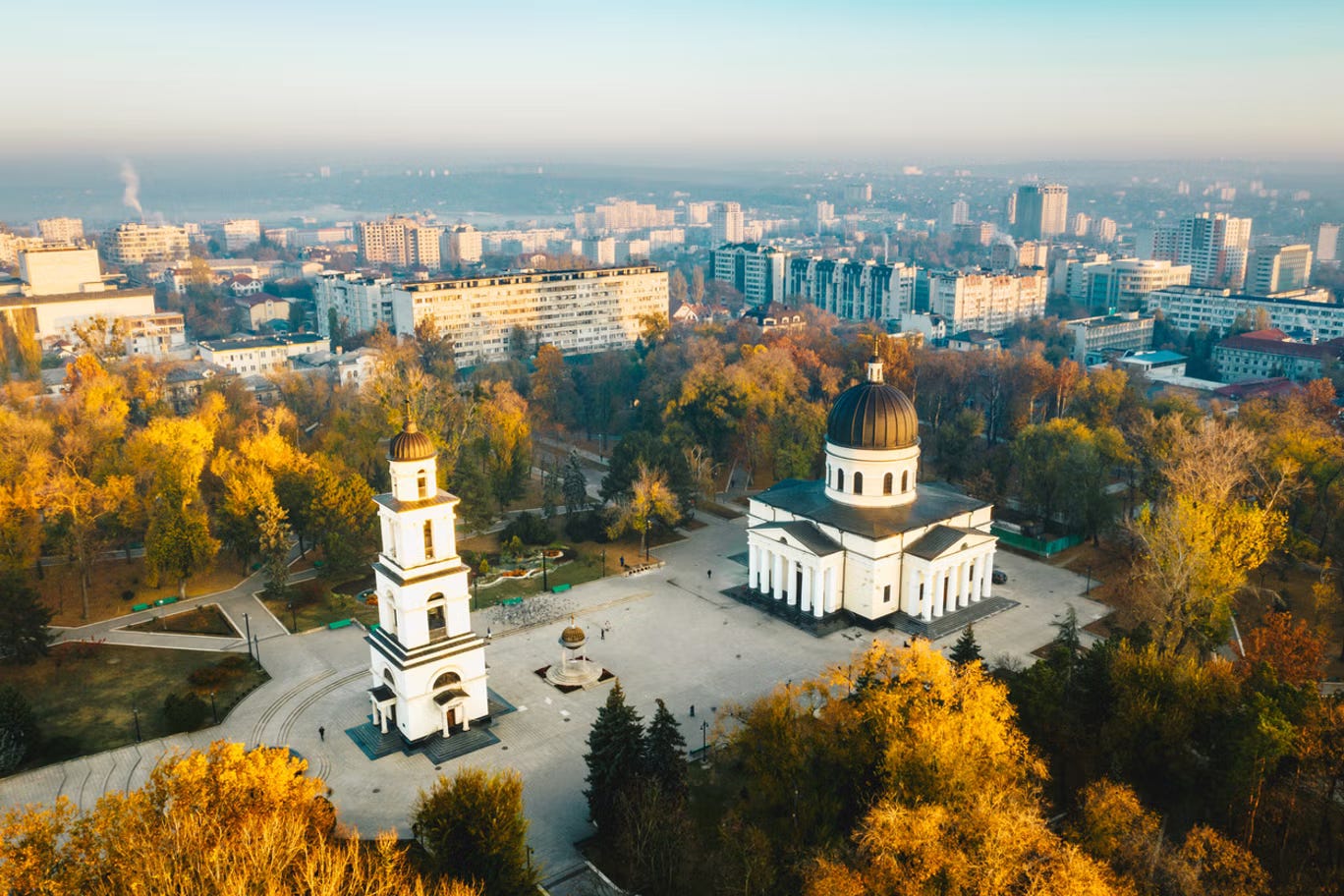
Pronounced KISH-i-now, Chișinău is a curious capital — modest and monumental, grey and green. With a population just over half a million, it’s smaller than most European capitals, but its grid of Soviet boulevards feels built for parades that never happened.
The name Chișinău may derive from an archaic Romanian word for “new spring” — a hopeful origin for a city that’s had to begin again more than once. Others suggest it comes from kiszinov, a Hungarian term for “low-lying place.”
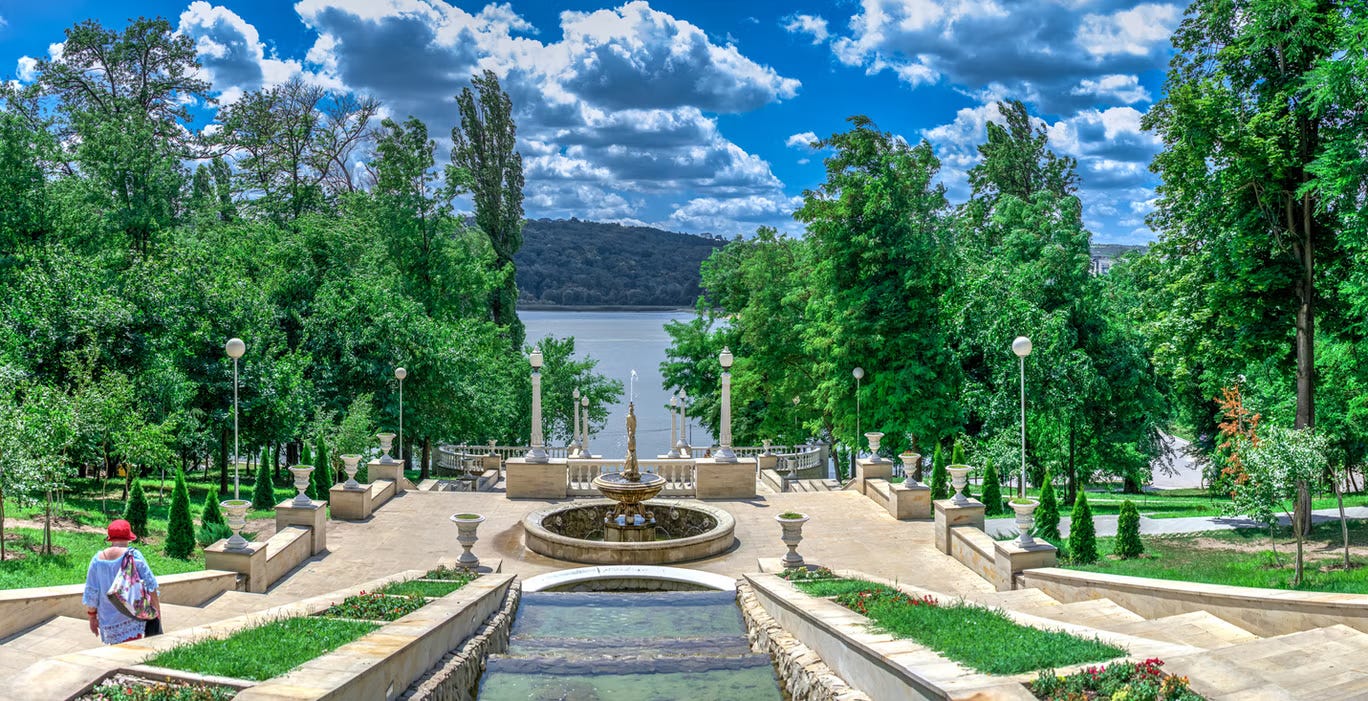
Founded as a monastery village, Chișinău became a market town under the Ottomans, then passed to the Russian Empire in 1812. It was largely destroyed in WWII and rebuilt under Stalinist plans, with apartment blocks replacing the old town. Yet everywhere there are contrasting parks with weeping fig, black locust, rubber, and peach trees, with wine cellars stretching beneath the city like catacombs.
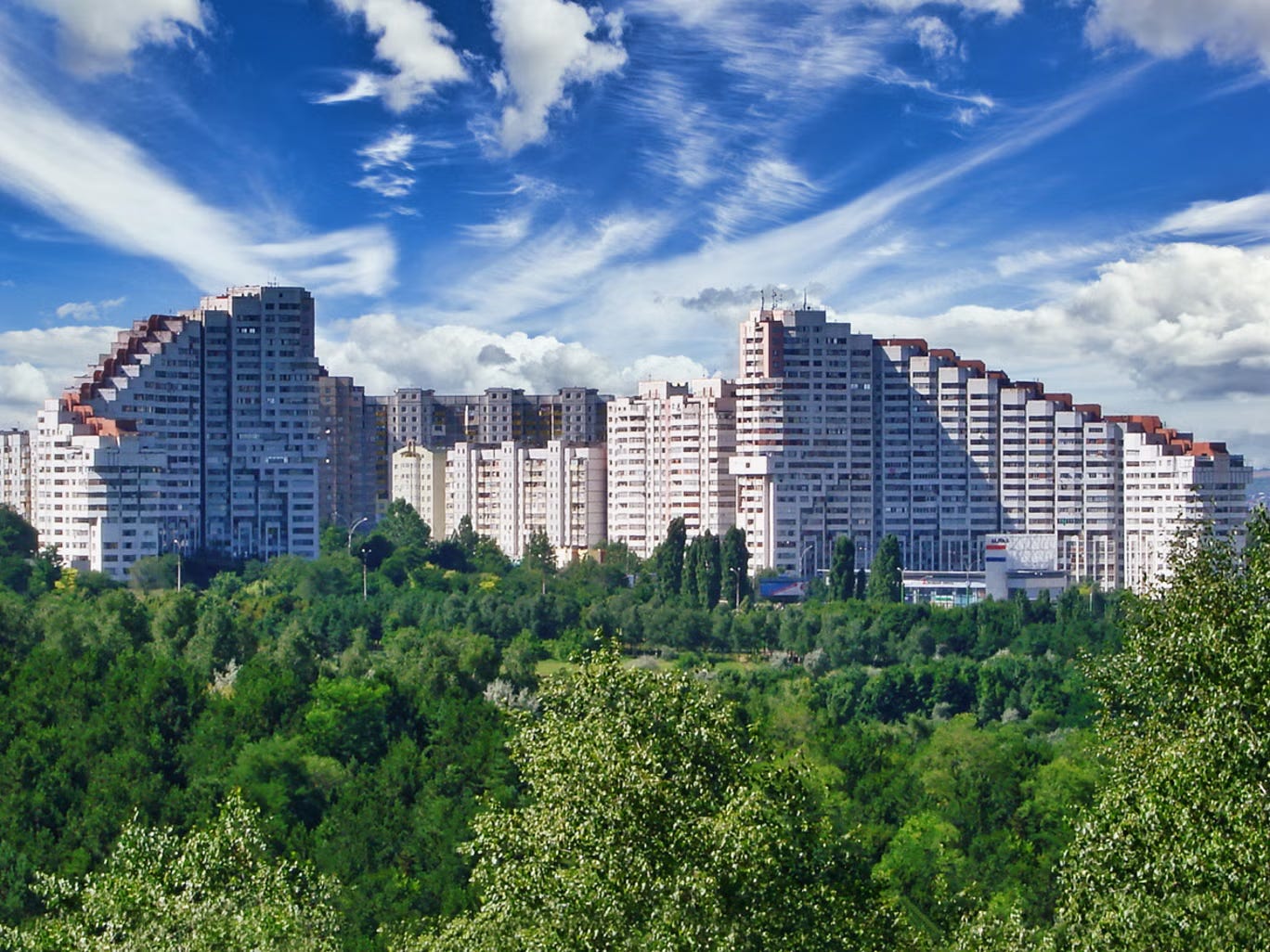
Language and identity
Language here is political. The dominant language is Romanian, written in Latin script since the early 1990s — a symbolic break with the Soviet era, when Moldovan (essentially the same language) was written in Cyrillic and declared separate. Today, most Moldovans speak Romanian, but many also speak Russian. Some prefer to call their language “Moldovan.” Identity here is plural, shifting, unresolved.
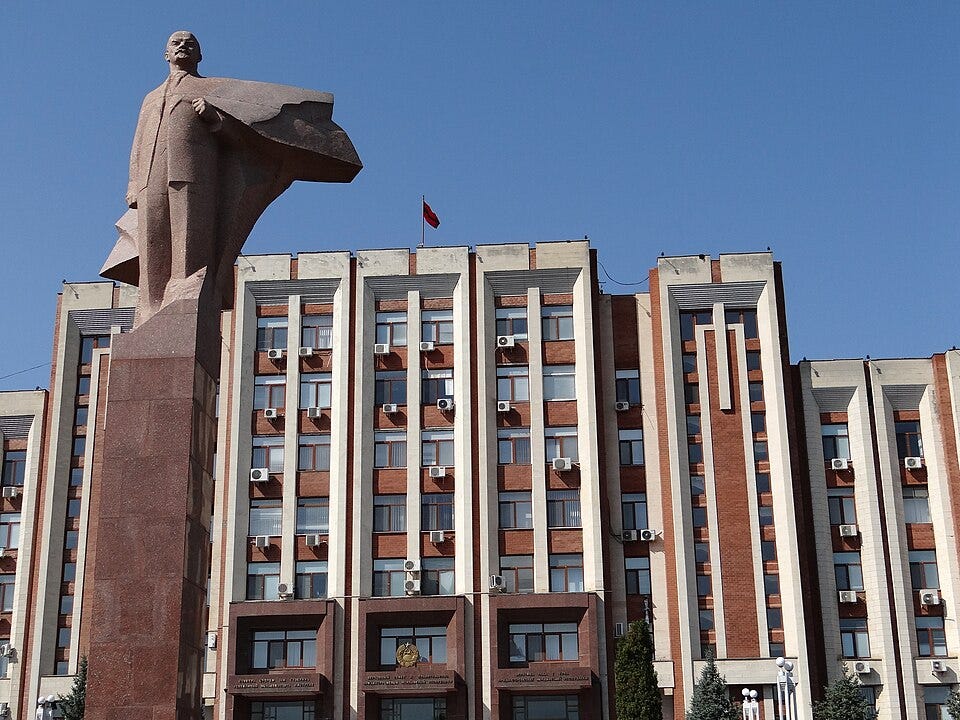
Place names mirror this complexity. In Transnistria, they remain Soviet: Tiraspol, Bender, Dubăsari. In western Moldova, Latin revivalism reigns. Street names honour national poets, not party secretaries. Maps are contested documents.
Even the country’s name is a kind of open question. Some advocate for unification with Romania — the “Greater Romania” idea still stirs old hearts. Others argue for a specifically Moldovan nationhood. In Moldova, names have become statements of intent.
Glossary
Chișinău – “new spring” or “low place”
Prut – river on the Romanian border
Dniester (Nistru) – eastern boundary river
Tiraspol – from Greek Tyras (Dniester) + polis (city)
Bender – Turkish bend (dam) or Persian bandar (port)
Dubăsari – Romanian dubas (cooper, barrel-maker)
Mileștii Mici, Cricova – famous wine cellars
Bessarabia – after the Wallachian Basarab dynasty